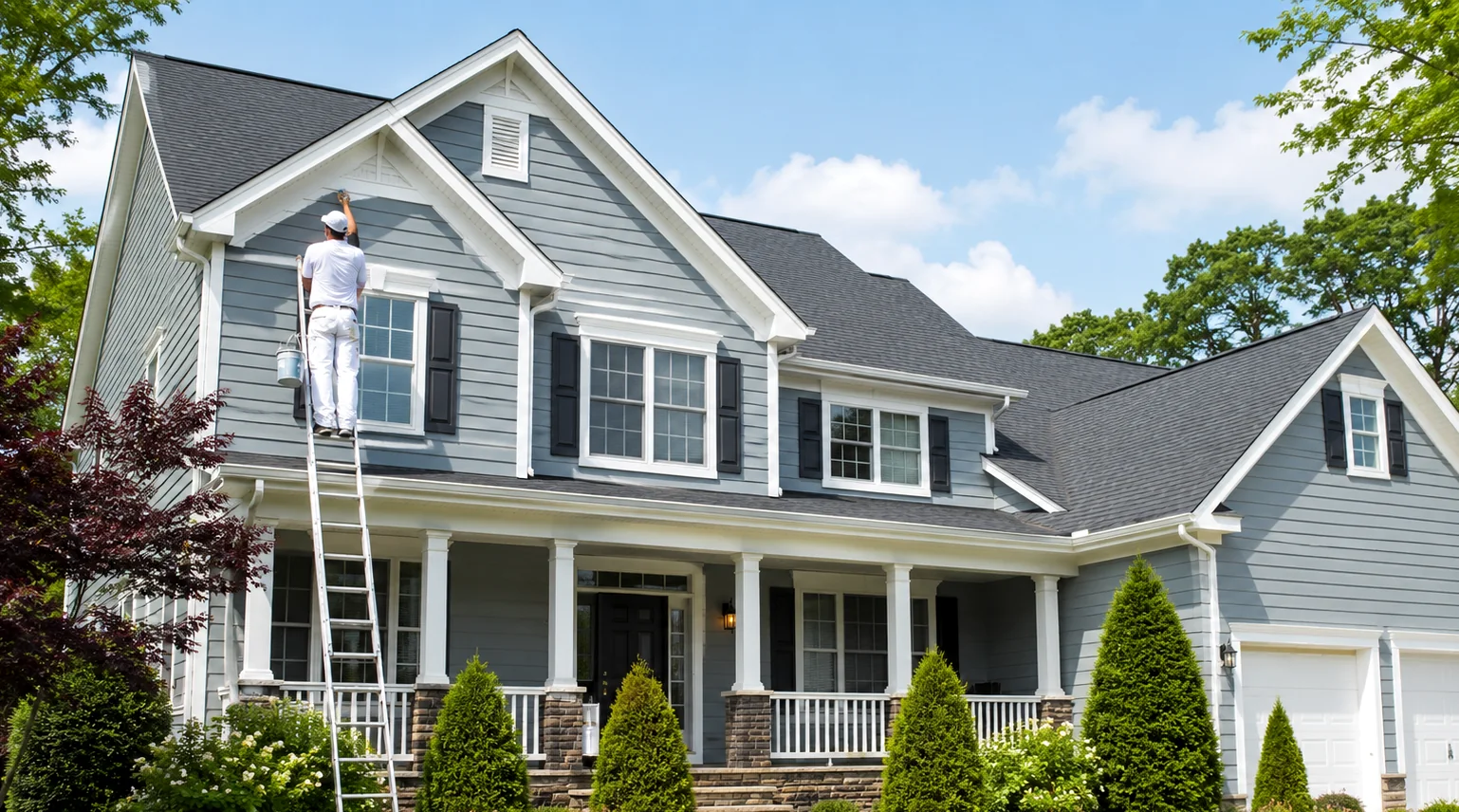
The best time for exterior painting in North Carolina is not a single month. The real requirement is a weather window where temperature, surface moisture, rain risk, and humidity are appropriate for the coating being applied.
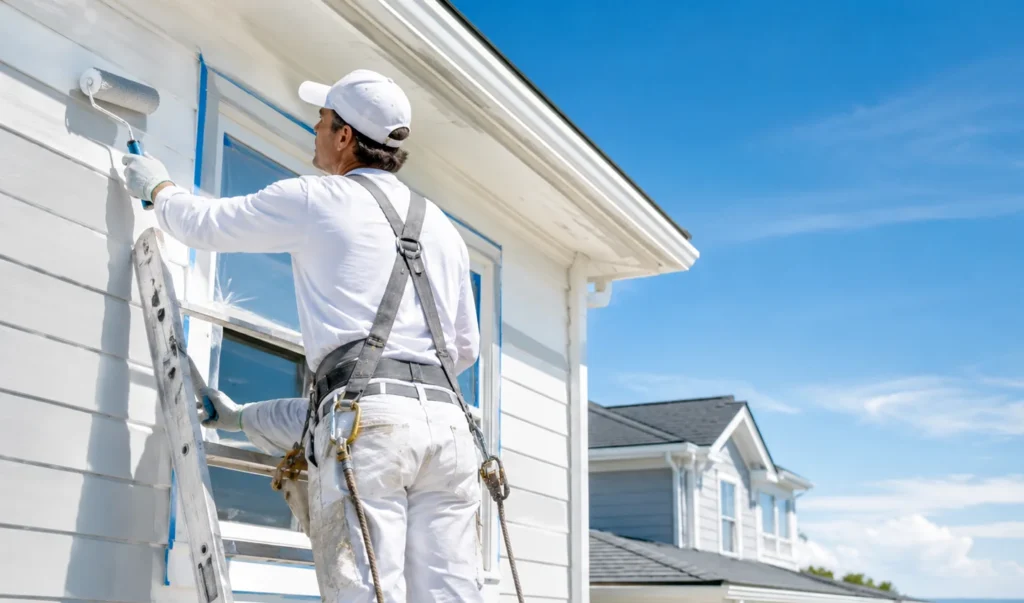
Spring Painting
Spring can provide moderate temperatures and long working days. The challenge is frequent rain and morning moisture. Surfaces need to be dry and the forecast should provide enough time for the coating to set.
Summer Painting
Summer offers long days but introduces heat, direct sun, humidity, and afternoon thunderstorms. Crews may sequence the home to avoid applying coatings to excessively hot surfaces in direct sun.
Fall Painting
Fall is often excellent because temperatures become milder and humidity can decrease. Overnight temperatures and shorter daylight become more important later in the season.
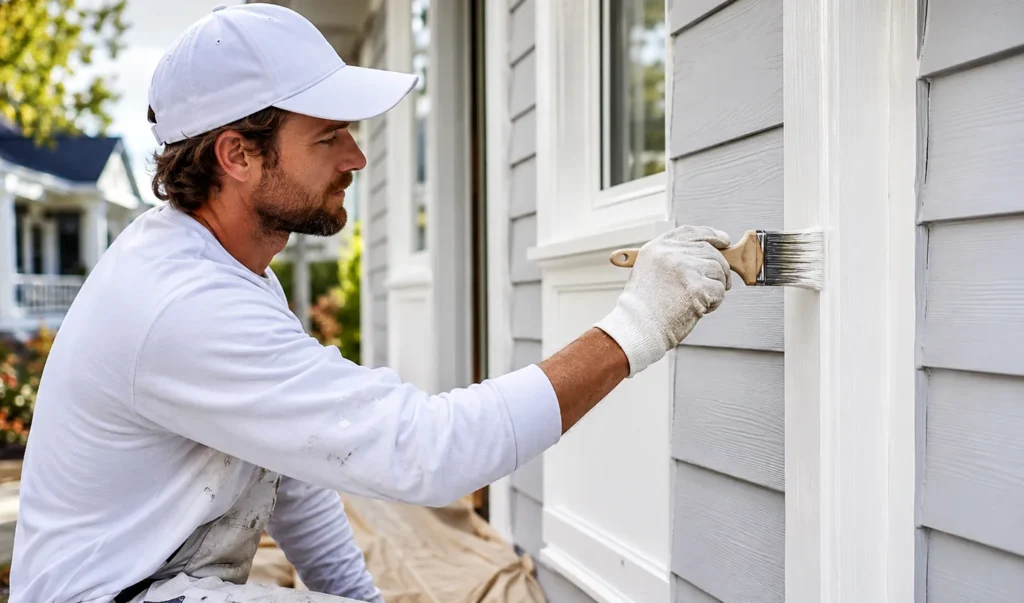
Winter Painting
Some modern coatings can be applied at lower temperatures than older products, but the product data sheet governs. Frost, condensation, and short cure windows can limit scheduling.
Surface Condition Matters More Than the Calendar
A mild dry day is not enough when siding is dirty, paint is peeling, caulk has failed, or wood is rotted. Preparation and repair are fundamental. Damaged fascia or siding should be addressed first.
Older Homes and Lead-Safe Work
Homes built before 1978 may contain lead-based paint. Renovation work that disturbs painted surfaces may be subject to EPA requirements. Read EPA RRP information.
Direct Sun Can Be as Important as Air Temperature
A wall in full afternoon sun can become much hotter than the reported air temperature. Painters may work around the house strategically so coatings are not applied to surfaces that are excessively hot. Shade, orientation, and siding color can all affect surface temperature.
Moisture Content and Preparation
Wood or siding that is still wet after rain should not be rushed into coating simply because the sky is clear. Good preparation means allowing surfaces to dry, correcting active leaks, scraping unstable material, and priming where required by the coating system.
Scheduling Around North Carolina Weather
Flexible scheduling helps exterior painting. A crew may adjust start times, move to a shaded elevation, or postpone a coating step when storms are approaching. That flexibility protects the finish and is better than forcing the work into an unsuitable weather window.
One More Factor to Consider
The direction each wall faces also matters. South- and west-facing elevations often receive stronger sun and weathering, while shaded north-facing areas may stay damp longer. A painter can adjust preparation and daily sequencing around those conditions instead of treating every side of the home the same.
Temperature Is Only Part of the Painting Window
Exterior coatings have manufacturer temperature ranges, but the thermometer alone does not determine whether conditions are suitable. Surface temperature can differ from the air, especially on siding in direct sun or shaded areas that remain cool after a cold night.
Humidity and Surface Moisture Matter
North Carolina humidity can slow drying, while overnight dew may leave siding damp even under a clear sky. Painting over wet wood or damp siding can interfere with adhesion. Washing, repairs and caulking also need sufficient drying or curing time.
Direct Sun Can Affect Application
Strong sun can heat siding well above the air temperature. Paint may dry too quickly, making it difficult to maintain a consistent edge and proper film formation. Professional crews often move between elevations as sun exposure changes.
Preparation Matters More Than the Month
Loose coating should be removed, glossy areas prepared, failed caulk replaced and damaged surfaces repaired before painting. Primer should be selected for bare or stained areas when necessary. Good weather cannot compensate for poor preparation.
Plan Around Rain and Daily Changes
The forecast should provide enough dry time before application and through early curing. Pop-up summer storms, morning dew and cool nights can shorten the work window. Each elevation may need a separate schedule.
See our professional painting service or request a free onsite estimate for your Durham or Triangle home.
Frequently Asked Questions
Is spring or fall better?
Both can be excellent. The forecast, surface condition, product, and sun exposure matter more than the season name.
Can exterior paint dry in high humidity?
Many coatings can cure in humid conditions, but high humidity can slow drying and surfaces still need to meet product requirements.