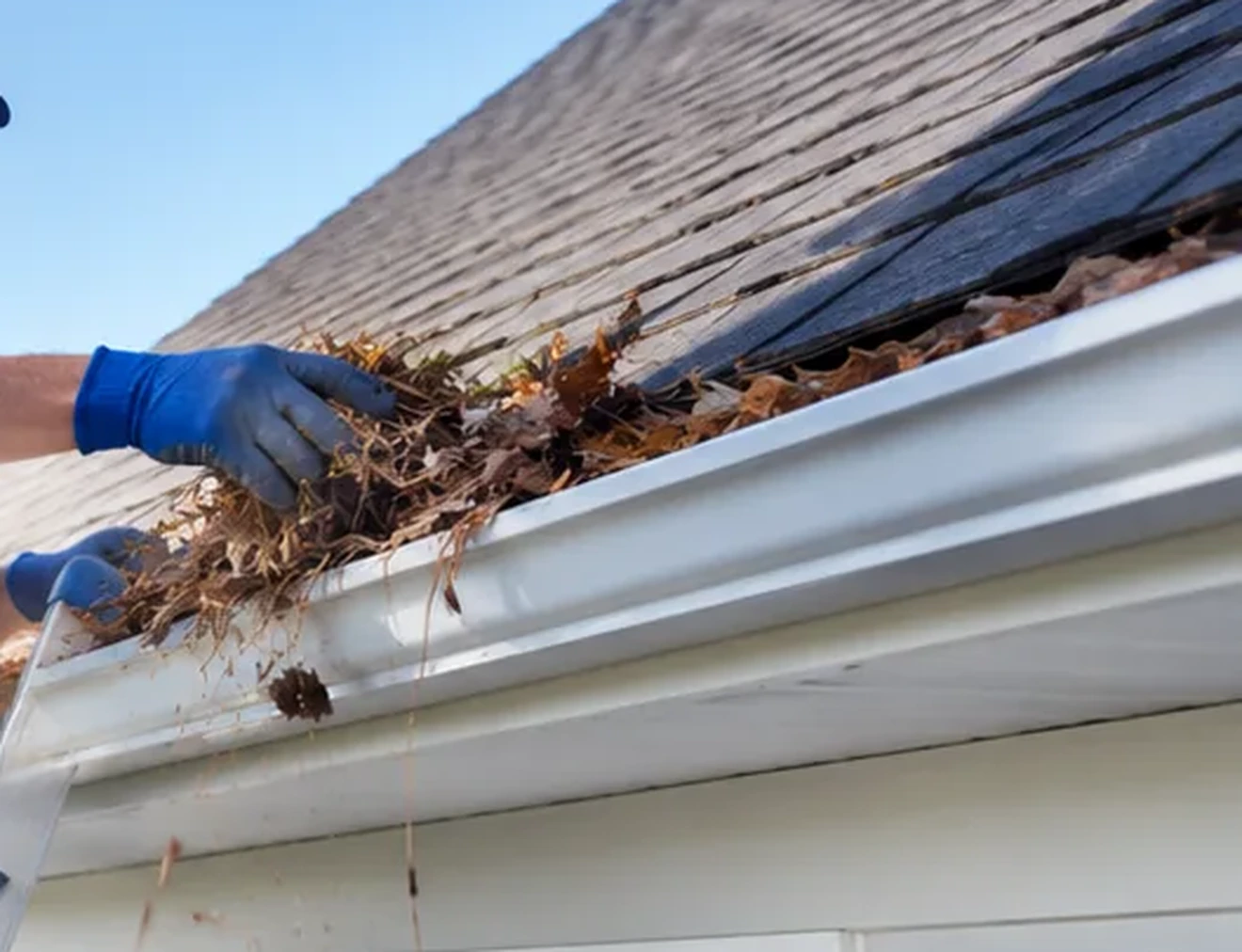
For most homes, the best time for fall gutter cleaning in the Triangle NC is after the majority of nearby leaves have dropped but before winter rain and freezing nights become routine. In Durham, Raleigh, Cary and surrounding communities, that usually means a final cleaning from late November into early December. A wooded property may need an earlier visit too, especially when oaks, maples and pines release debris at different times.
The calendar is only a starting point. Tree coverage, roof valleys, gutter size, downspout placement and recent storms all affect how quickly a system fills. The practical goal is to enter winter with open troughs, clear outlets and downspouts that move water safely away from the house.
A practical fall gutter-cleaning schedule for Triangle homes
Central North Carolina does not have one perfectly synchronized leaf drop. Warm spells can hold leaves on trees, while wind and rain can bring a large amount down overnight. Homeowners should watch the trees closest to the roof and adjust the schedule to actual conditions. The National Weather Service in Raleigh is also useful for checking approaching rain, wind and freeze conditions before planning exterior maintenance.
September: inspect before the main leaf drop
September is a good time for a visual check, particularly after summer thunderstorms. Look for plants growing in the gutter, dark debris at outlets, sagging sections and water stains on fascia. A cleaning this early makes sense when the system is already restricted, but it should not automatically be treated as the final fall service.
October: respond to early debris and storms
Maples and other early-dropping trees can start loading gutters in October. Homes beneath dense canopy may need a first cleaning during this period to prevent overflow while more leaves are still coming. Properties with little nearby tree cover can often continue monitoring.
November: track peak leaf drop
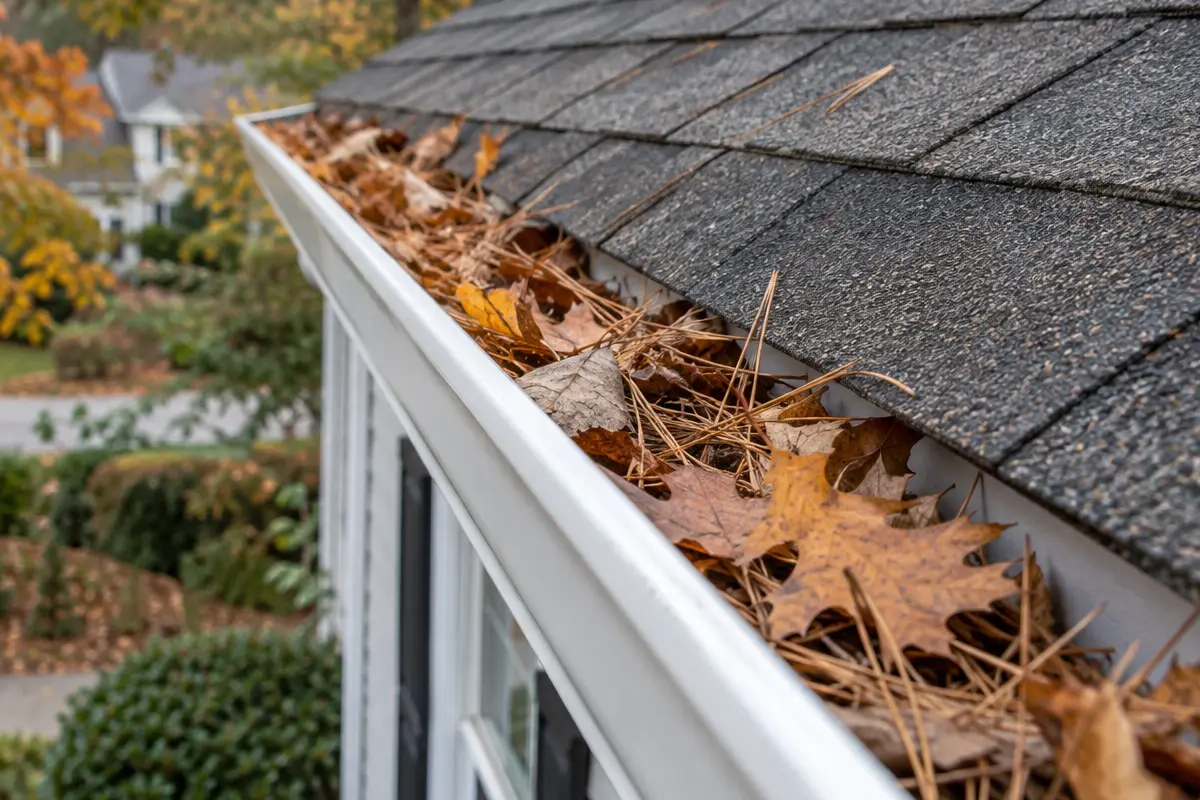
November is the main decision period. If gutters are full before surrounding trees are bare, clean them rather than waiting through repeated rain. After most leaves have fallen, schedule the final pass. This clears the fresh layer that could otherwise sit wet through winter.
Late November through early December: complete the final cleaning
For many Triangle homes, this is the most effective final window. It captures late oak leaves and a meaningful portion of pine debris while leaving time to address loose fasteners, restricted outlets or damaged downspouts before colder weather. Waiting much longer can make scheduling harder and lets wet debris compact.
Why cleaning too early can backfire
A spotless gutter in early October can be full again by Thanksgiving. When a single annual cleaning is scheduled before the trees nearest the roof finish shedding, later debris can cover the outlet and undo the benefit. Wet leaves then settle into a dense layer, and pine needles can weave across small openings.
That does not mean an early cleaning is wasted when there is an active blockage. It means the timing should match the objective. An early service protects a gutter that is already full; a later final service prepares the system for winter. Homeowners who want a broader overview can review our professional gutter cleaning service and the local guidance for gutter cleaning in Durham.
Does your home need one cleaning or two?
Use the amount and type of tree cover—not just the size of the house—to choose a schedule.
- One late-fall cleaning may be enough for open-lot homes with few overhanging branches, good gutter pitch and no history of overflow.
- Two fall cleanings are often safer for wooded lots, multi-level roofs, heavy oak or maple coverage, and roofs with valleys that concentrate debris.
- Additional checks may be sensible where pine needles fall steadily, gutters sit below large trees or previous blockages have caused water to spill near doors, foundations or landscaping.
If the first cleaning occurs in October, plan the second after the dominant trees are mostly bare. That approach prevents severe buildup during peak leaf drop without leaving the final wave in place all winter.
Timing differences across the Triangle
Weather is broadly shared across the region, but neighborhood canopy and lot design create meaningful differences. A mature, shaded street can need service weeks before a newer subdivision with smaller trees.
Durham and Chapel Hill
Established neighborhoods often combine mature hardwoods with pines. That mix favors monitoring in October and a final cleaning after late leaf drop. See local service details for Chapel Hill gutter cleaning.
Raleigh, Cary and Morrisville
Conditions vary from heavily wooded older neighborhoods to open newer developments. Homeowners can compare area-specific service information for Raleigh, Cary and Morrisville, then schedule around the trees on their own lot.
Apex, Wake Forest and surrounding communities
Rapidly growing communities still contain many wooded parcels and construction-edge lots. Wind can move leaves from neighboring trees onto otherwise open roofs. Local options include Apex gutter cleaning and Wake Forest gutter cleaning.
Signs you should not wait for the calendar
Clean or inspect the system promptly when you notice any of these conditions:
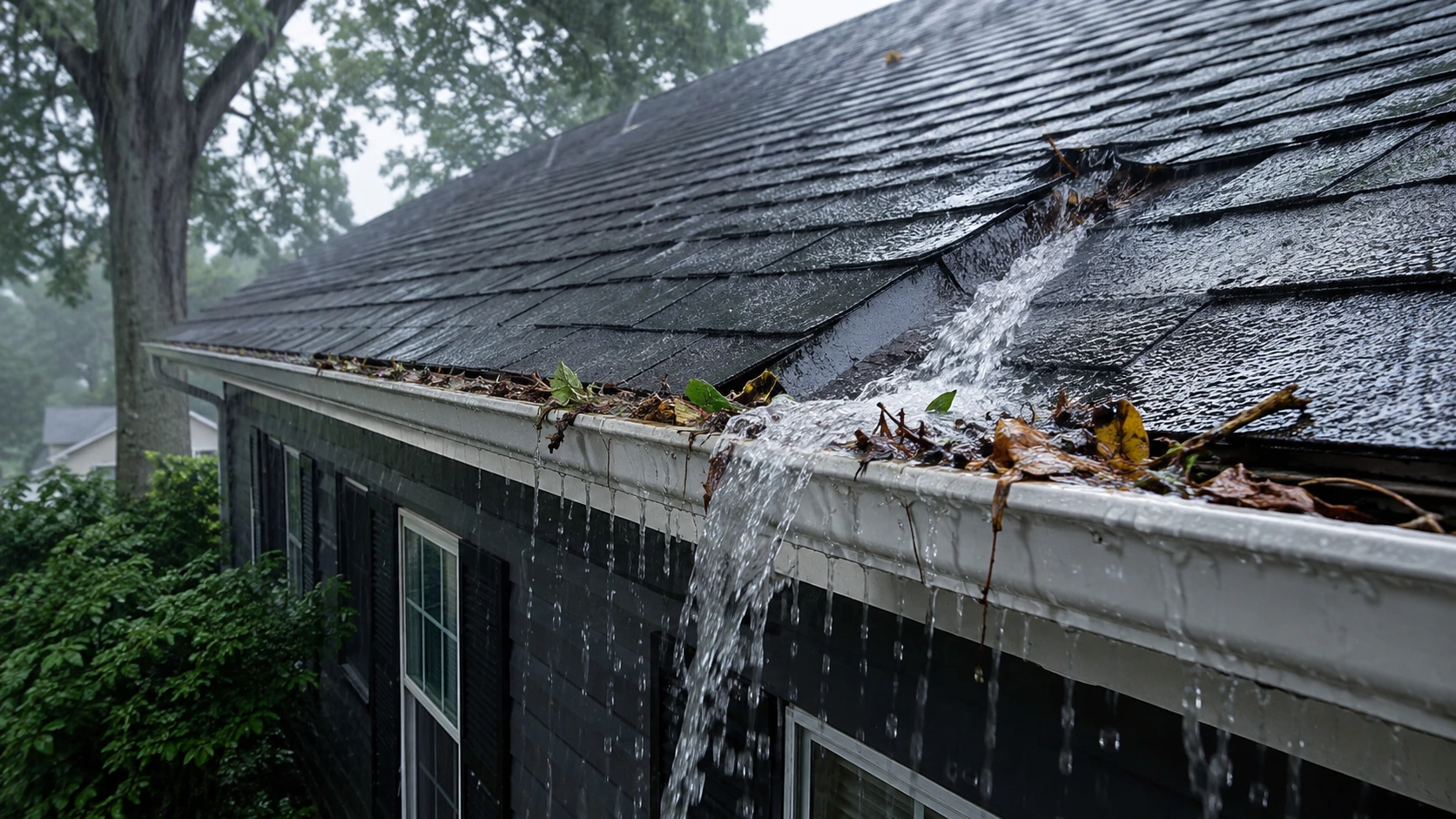
- Water spilling over the front or behind the gutter during rain
- Leaves, pine needles or small plants visible above the gutter edge
- Little or no flow from a downspout during a steady shower
- Dark streaks, peeling paint or soft-looking areas on fascia
- Water pooling beside the foundation or washing out mulch
- A gutter pulling away from the roof edge or holding standing water
Overflow is not always caused by debris alone. Poor pitch, undersized outlets, loose hangers or damaged sections can produce similar symptoms. A useful service distinguishes a cleaning need from a repair need.
Downspouts are part of the cleaning—not an afterthought
Clearing the horizontal gutter while leaving a plugged outlet does not restore drainage. Debris commonly collects where the outlet passes through the gutter bottom and where elbows change direction. Water should move through the downspout and exit at a location that does not immediately send it back toward the foundation.

After cleaning, observe the next rainfall from the ground. Consistent discharge and no overflow provide a practical check. Never climb during wet or windy conditions; steep, high or complex roofs are better left to properly equipped professionals.
How gutter guards affect fall maintenance
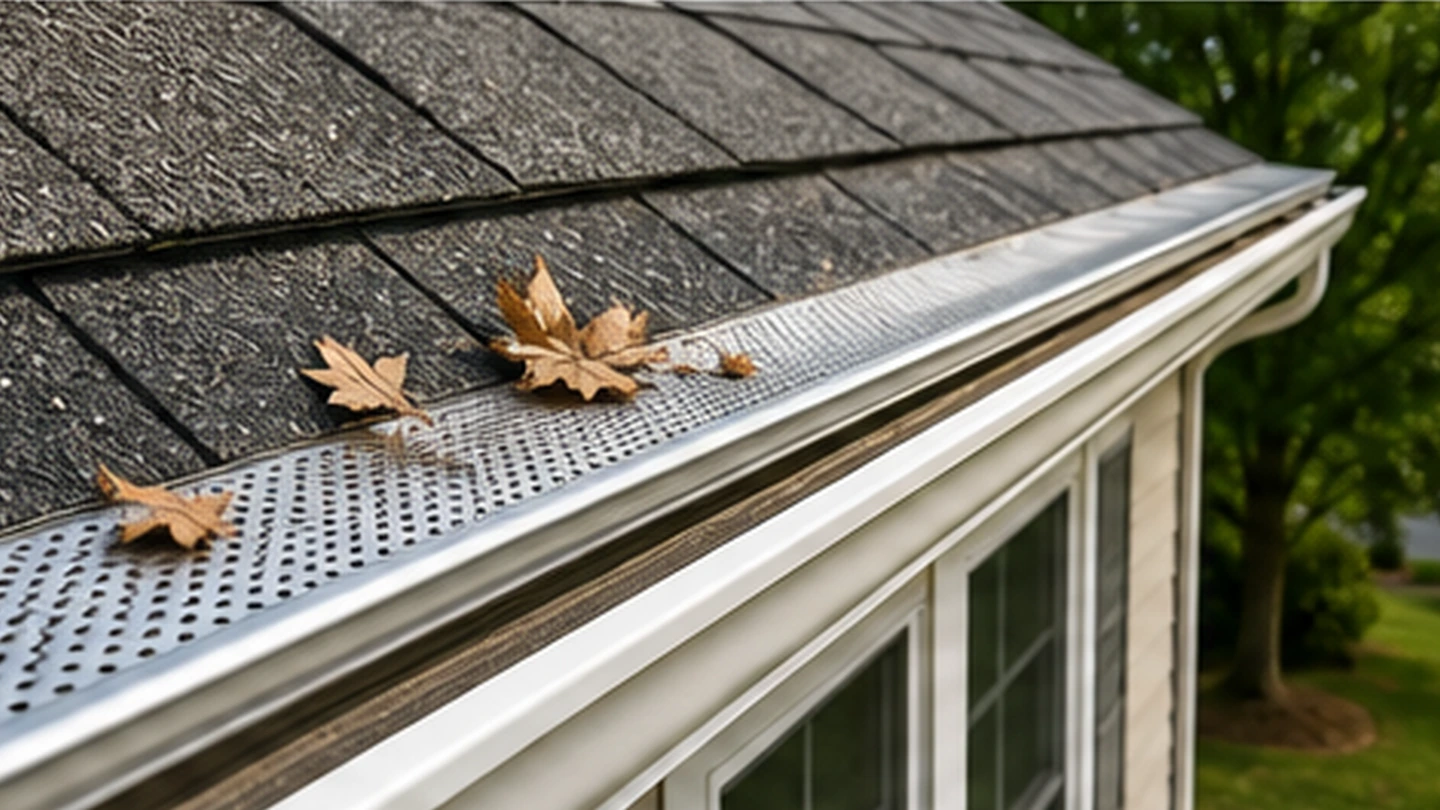
Gutter guards can reduce large debris inside the trough, but they do not make a system maintenance-free. Leaves can rest on top, pine needles may lodge in openings, and roof valleys can send concentrated water and debris to one area. The right product depends on tree species, roof design, water volume and the condition of the existing gutters.
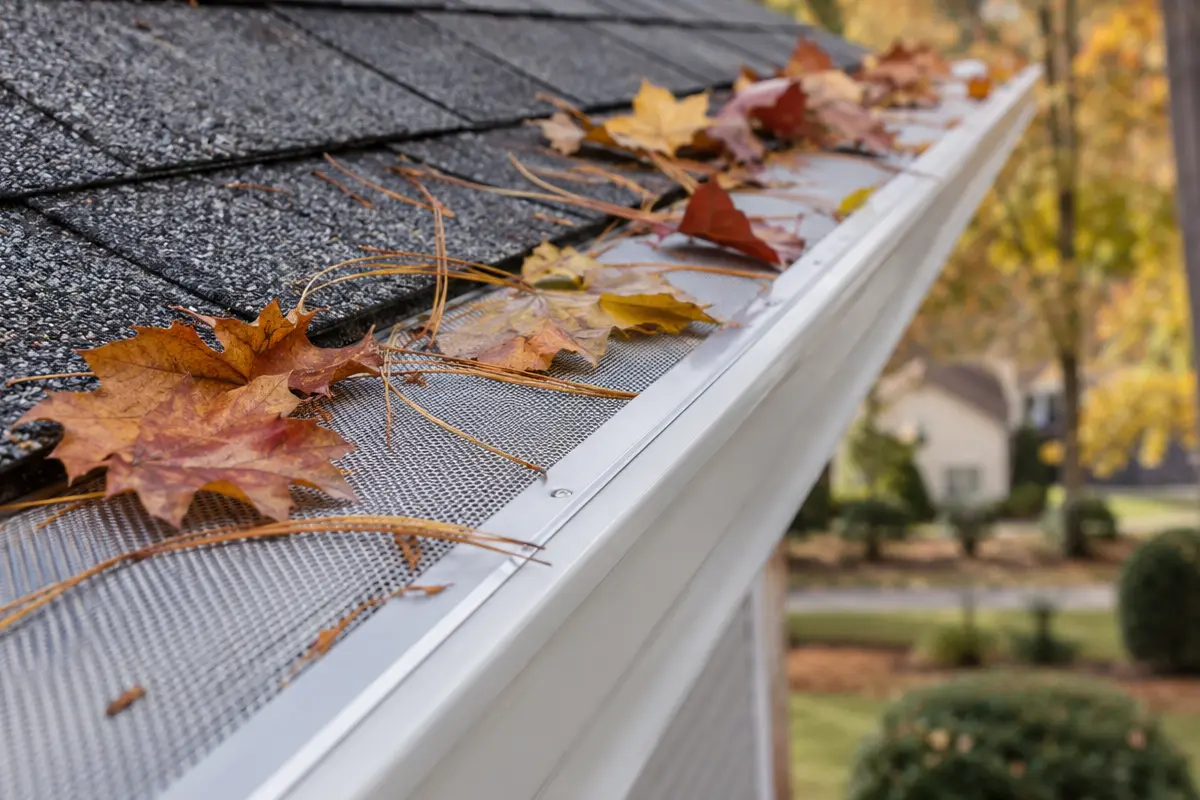
When recurring leaf or pine-needle buildup is the main problem, compare professional gutter guard options. Existing gutters should be cleaned and evaluated before any guard is installed.
Why the final cleaning matters before winter
Wet organic debris holds moisture against painted metal and creates extra weight. A blocked system also sends water over edges and behind gutters during winter rain. When temperatures fall below freezing, trapped water can expand and worsen weak joints or low spots. Cleaning does not correct every installation defect, but it removes a preventable source of restriction.
The final visit is also a chance to identify visible maintenance concerns before they become urgent: loose downspout straps, separated elbows, leaking corners, deteriorated fascia and discharge points that end too close to the home.
Fall gutter checklist for Triangle homeowners
- Watch the trees closest to the roof rather than relying on a fixed date.
- Inspect from the ground after storms and during steady rain.
- Schedule an early cleaning if gutters are already full or overflowing.
- Plan the final cleaning after most leaves have dropped.
- Confirm outlets and downspouts are clear.
- Check that discharge moves water away from the foundation.
- Note loose, sagging or leaking sections for repair.
- Continue periodic checks even when gutter guards are installed.
Frequently asked questions
What month is best for fall gutter cleaning in the Triangle?
Late November through early December is often the best final-cleaning window because most deciduous leaves have fallen. Heavily wooded properties may benefit from an earlier cleaning followed by a final visit after leaf drop.
Is one fall gutter cleaning enough?
It can be enough for homes with light tree cover. Homes beneath oaks, maples or pines often need two cleanings because debris arrives in waves and pine needles can continue falling after broad leaves are down.
Should gutters be cleaned before or after leaves fall?
Schedule the final cleaning after most nearby leaves have fallen. Clean earlier as well if gutters are already overflowing, outlets are blocked or substantial debris has accumulated before peak leaf drop.
Do pine needles change the cleaning schedule?
Yes. Pine needles shed over a longer period, mat together and can bridge over outlets. Pine-heavy Triangle properties may need more frequent checks than properties surrounded mainly by deciduous trees.
Should downspouts be checked during gutter cleaning?
Yes. Removing debris from the trough is only part of the job. Outlets and downspouts should also be checked so roof water can travel through the system and discharge away from the home.
Do gutter guards eliminate fall cleaning?
No. Guards can reduce the amount of debris entering the gutter, but roofs, guard surfaces, valleys and outlets still require inspection and periodic maintenance.