Gutter problems often show up outside before they create obvious interior damage. Watching where rainwater goes during and immediately after a storm can reveal whether the system is collecting, carrying, and discharging water correctly.
1. Water Spills Over the Gutter Edge
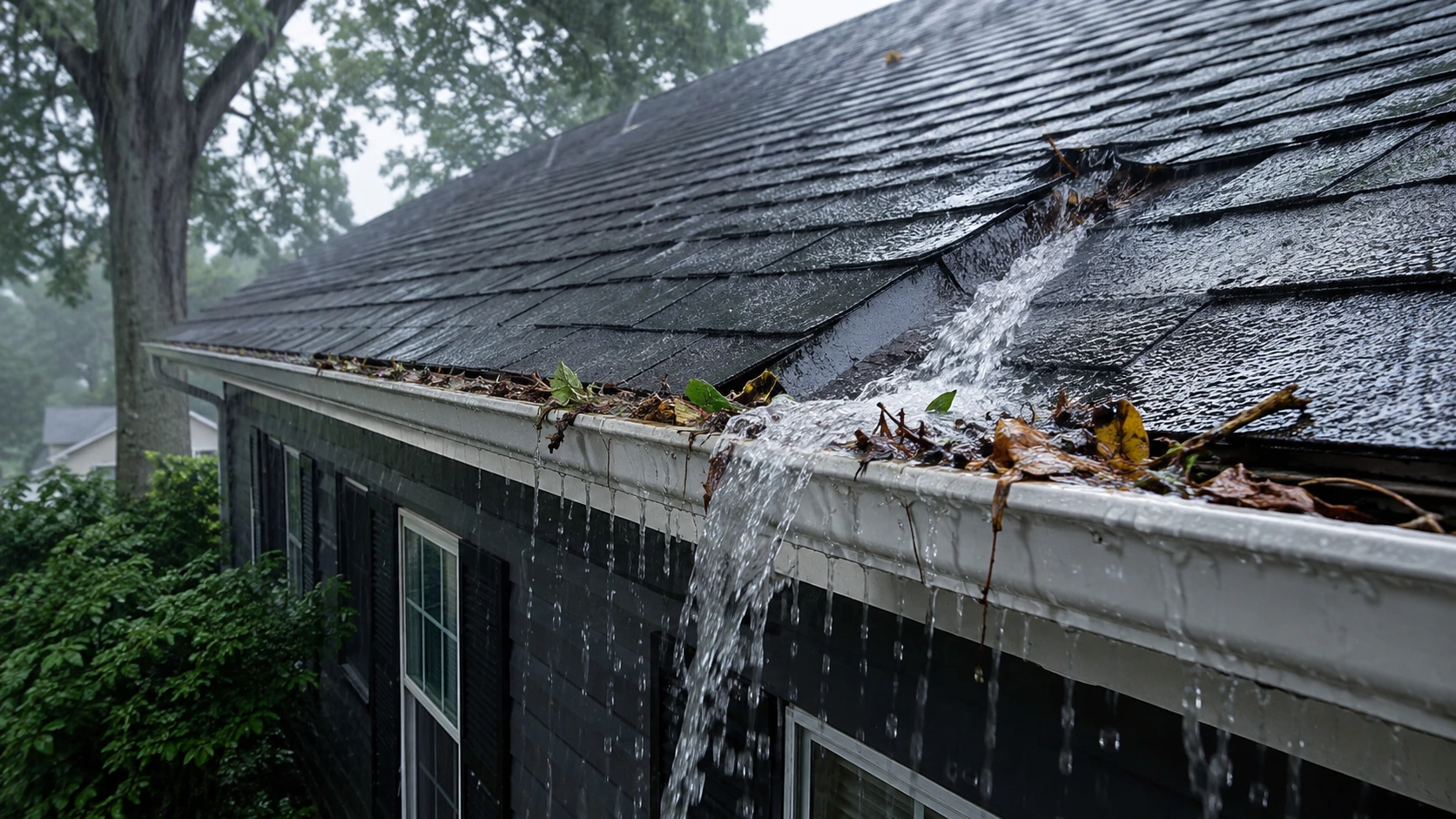
Overflow can be caused by debris, a blocked outlet, poor pitch, inadequate downspouts, or a gutter that is too small for concentrated roof runoff.
2. Fascia or Soffit Stays Wet
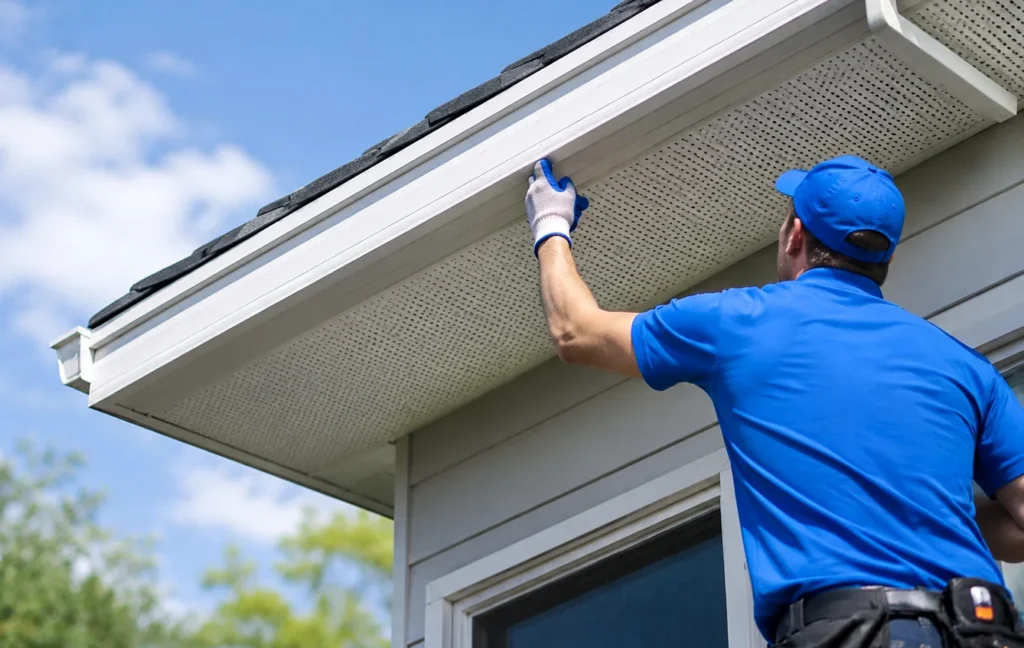
Dark staining, peeling paint, or softness along the roof edge can indicate repeated water exposure. The source might be gutter overflow, roofing, or both.
3. Siding Develops Vertical Water Streaks
Water that escapes behind or over a gutter can run down siding. Repeated streaking below one roof section is a clue that drainage at the eave deserves attention.
4. Mulch and Soil Wash Away
A concentrated waterfall from the roof edge can carve channels in landscaping. Even a downspout can create erosion if its discharge point is too short or poorly located.
5. Water Collects Beside the Foundation
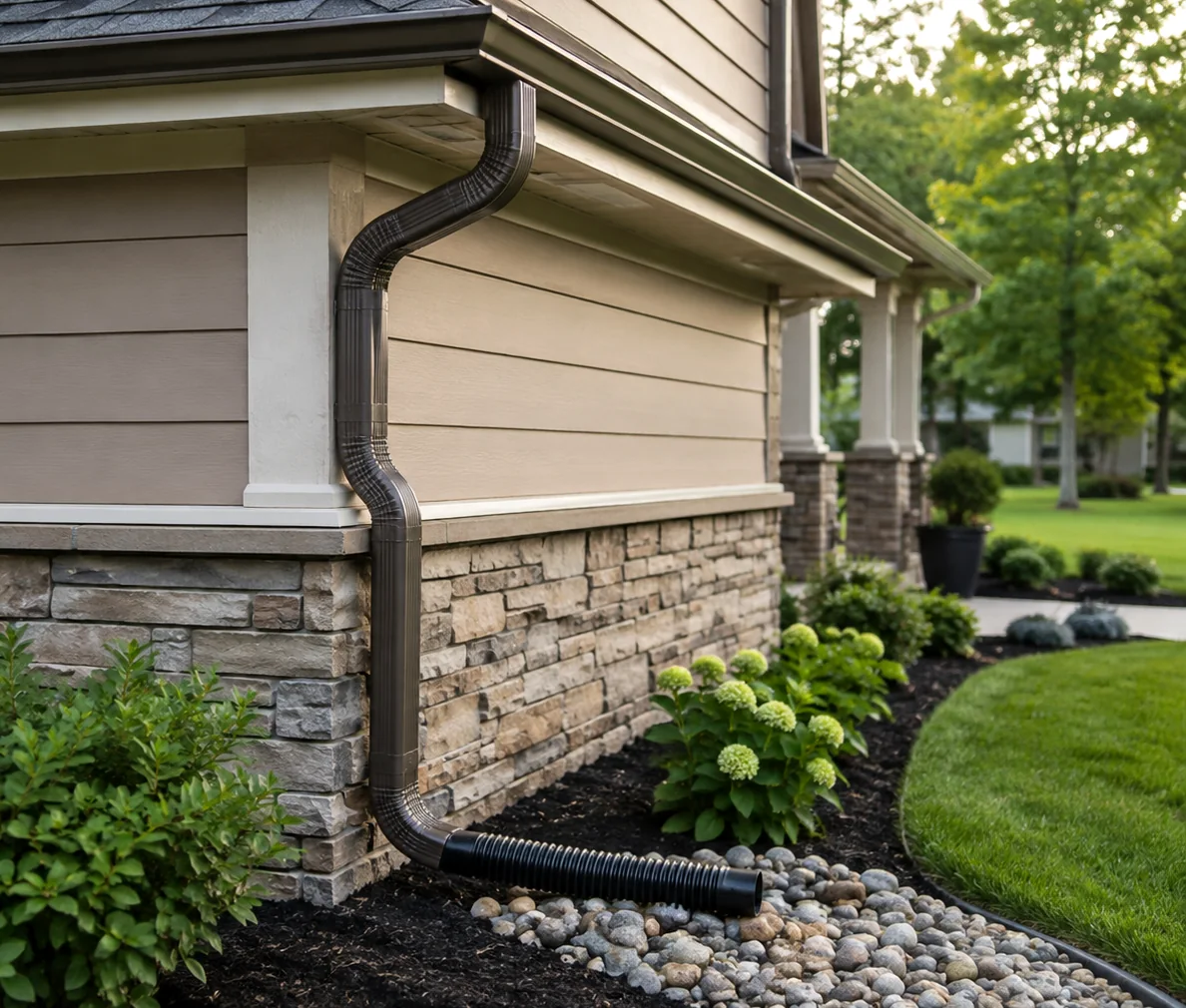
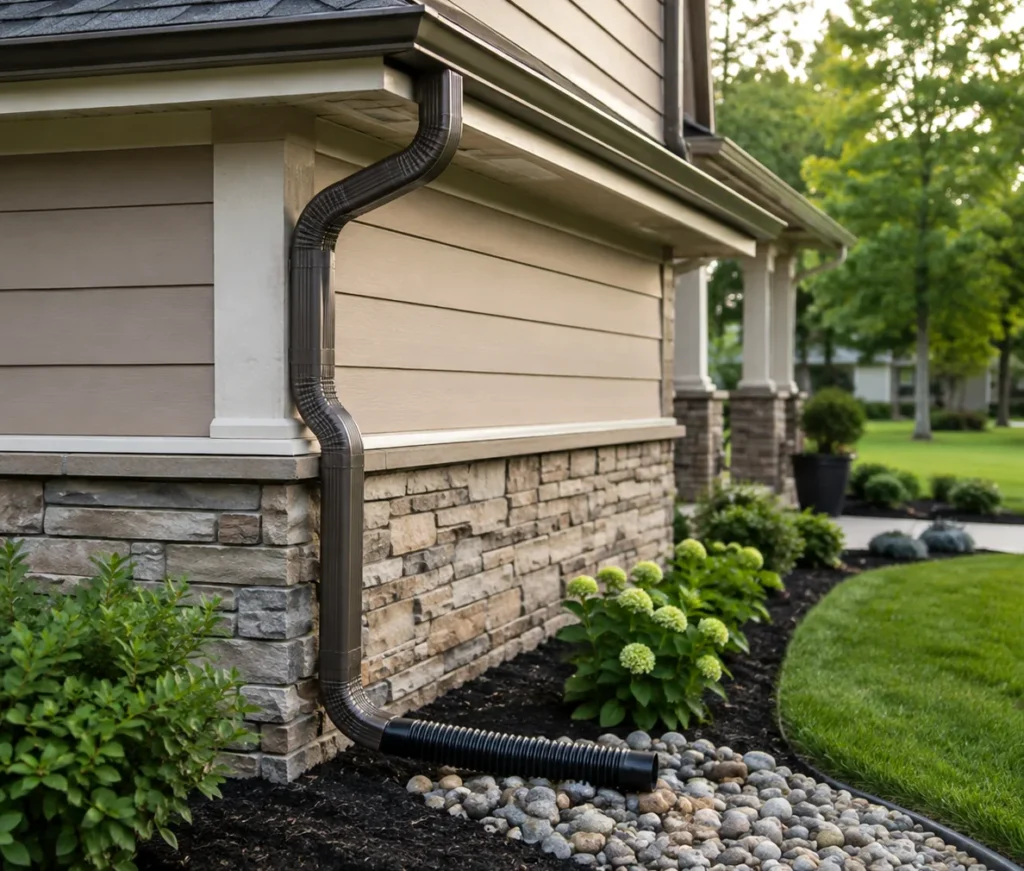
Downspouts should move roof water to a sensible discharge area. Persistent pooling does not prove a foundation defect, but it is a reason to review extensions, grading, and overall drainage.
What to Do Next
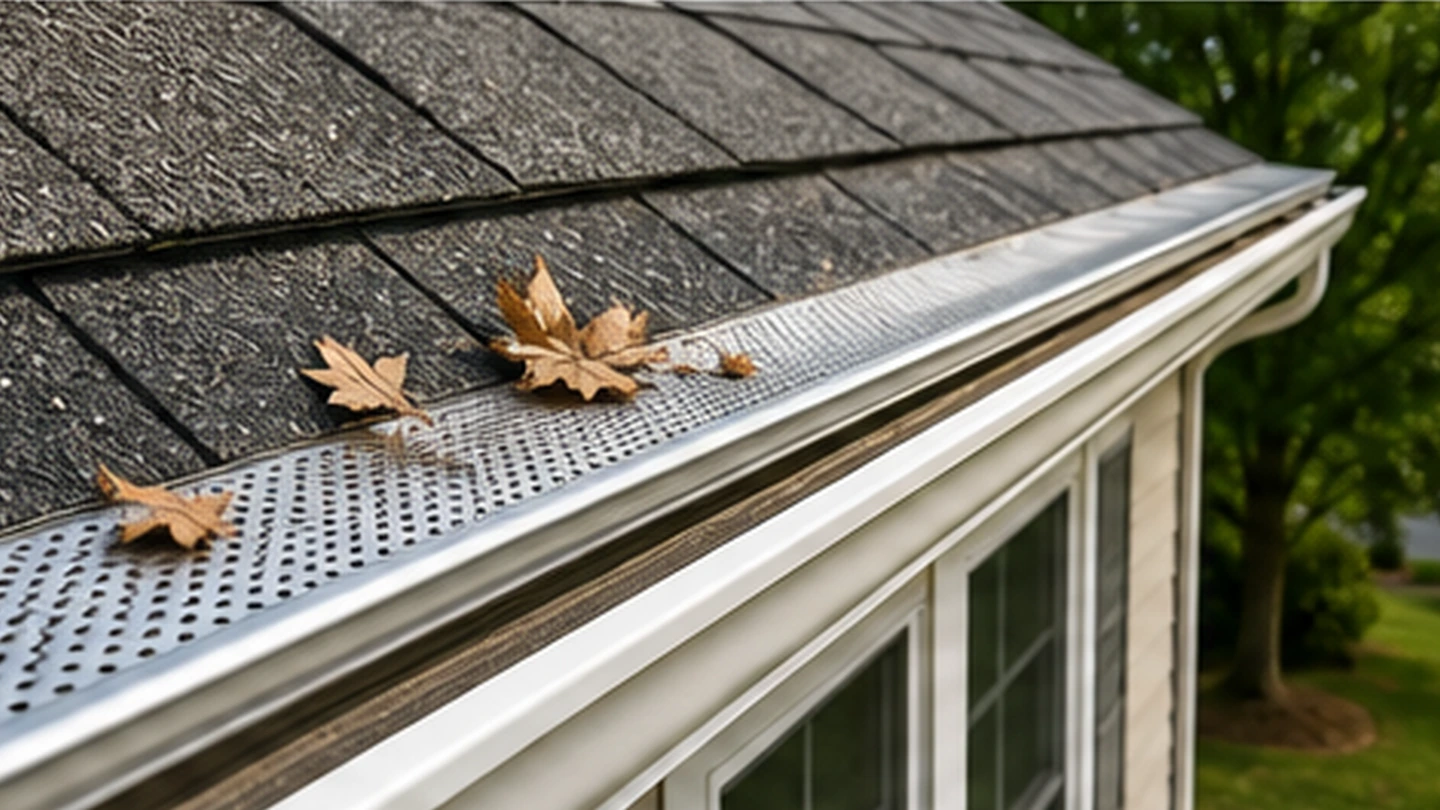
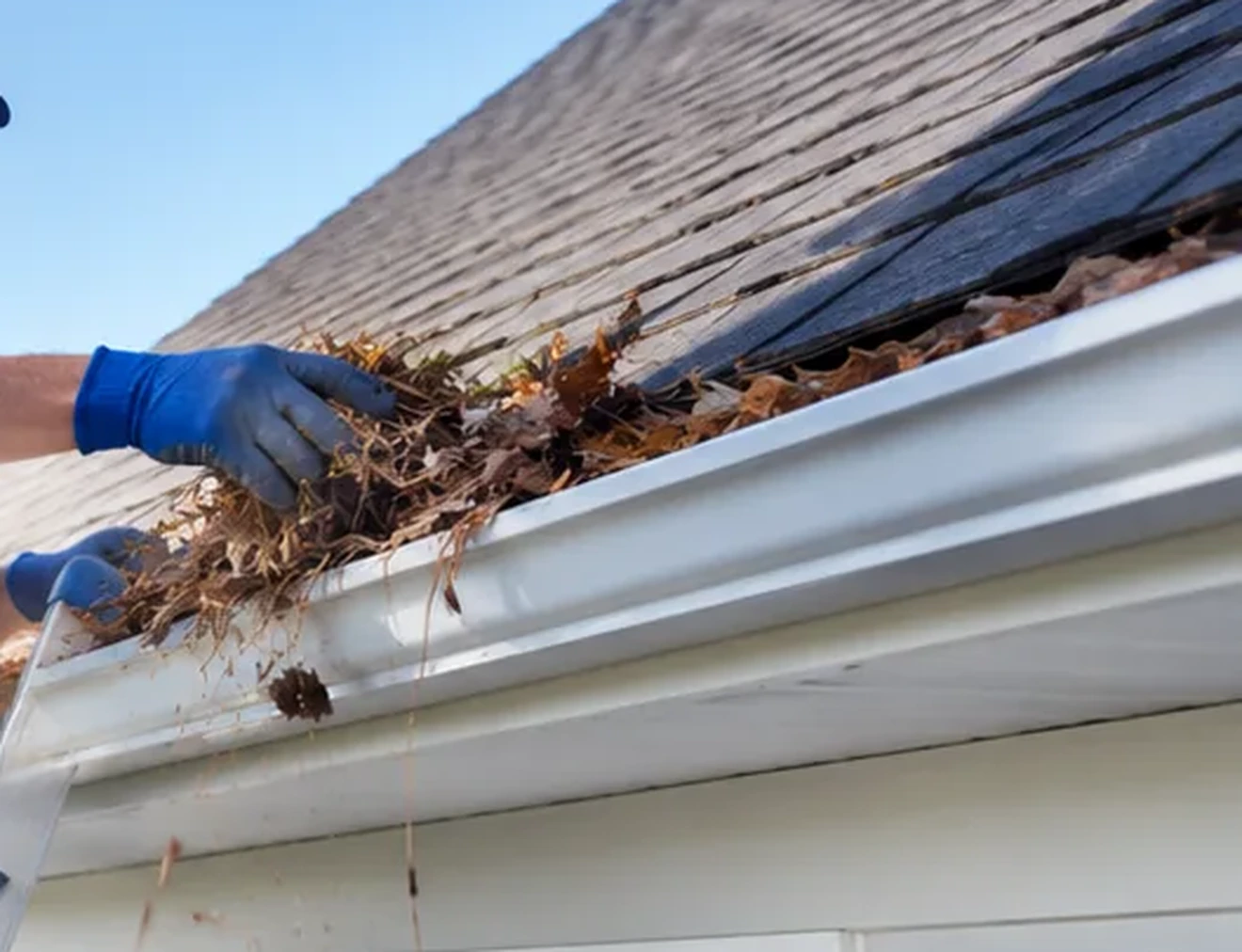
If the gutter is full of debris, start with cleaning. If it is structurally failing, compare replacement or repair. If fine tree debris is the recurring cause, guards may reduce future maintenance.
EPA moisture-control resources emphasize managing bulk water around buildings. Read EPA guidance.
How to Observe the System Safely During Rain
You can learn a lot from the ground during an ordinary rain. Watch where overflow begins, whether each downspout is discharging, whether water is running behind the gutter, and whether the discharge is creating erosion. Avoid ladders and roof access in wet or stormy conditions.
Why Repeated Wetting Matters
Exterior materials can tolerate normal weather exposure, but repeated concentrated water in the same location can accelerate paint failure, soften wood, stain siding, and keep soil saturated. Addressing the water path early can prevent a small drainage issue from turning into a larger repair.
When to Call for an Inspection
If you see sagging gutters, loose metal, active interior leakage, visibly rotted fascia, or large amounts of water collecting beside the home, it is reasonable to schedule an exterior evaluation rather than only cleaning the system.
One More Factor to Consider
If you observe a problem only during very intense storms, record where and when it happens. That information helps distinguish an extraordinary high-flow event from a system that fails during ordinary rainfall. Repeated problems during moderate rain are a stronger signal that maintenance, pitch, outlets, or capacity need attention.
Why Gutter Water Damage Can Start Quietly
Roof runoff often creates damage gradually. A gutter may spill only during heavy rain, leaving fascia or siding wet for periods that are easy to miss. Repeated wetting can stain finishes, soften wood and direct water toward landscaping or foundation areas.
Observe the home only from a safe ground-level position during rain. Do not climb a ladder in wet or windy conditions.
Check Roof Valleys and Long Runs
Roof valleys release concentrated runoff into a short section. Debris, insufficient capacity or a poorly placed outlet can cause water to jump over the edge even when nearby gutter runs look clear. Standing water after the storm can also indicate a low spot or pitch problem.
Downspout Discharge Is Part of the Diagnosis
A clean gutter cannot protect the property if its downspout releases water beside the foundation. Check for separated elbows, missing extensions and channels developing through mulch or soil. CYM can recommend gutter cleaning, localized repair or replacement according to the cause.
Preventing Future Water Damage
Keep gutters and outlets clear, monitor the roof edge after storms and address loose sections before they worsen. Homes under mature hardwoods or pines may need more frequent checks. Guards can reduce debris, but they do not eliminate inspection and maintenance.
Request a free gutter and drainage evaluation if you notice overflow, wet fascia, siding stains, erosion or water beside the foundation.
Frequently Asked Questions
Can gutters cause interior stains?
They can contribute to roof-edge moisture, but interior stains can also come from roofing, plumbing, flashing, or condensation.
Can guards solve water damage?
Only if debris is the main cause. Guards will not fix poor pitch, inadequate downspouts, bad grading, or damaged roofing.