Downspouts are the exit points of a gutter system. They must receive water through properly placed outlets, carry it down the wall and release it where it can continue away from the structure. Counting the visible downspouts without looking at the roof sections above them can therefore be misleading. CYM Contractors evaluates the roof edge as a complete drainage path rather than applying a fixed spacing rule to every house.
Why There Is No Universal Number of Downspouts
Two Durham homes with similar square footage may need different layouts. One may have a simple gable roof with short, direct gutter runs. The other may have dormers, intersecting rooflines and valleys that combine water into a few concentrated areas. The second home can place much more demand on individual outlets even if the total roof area is comparable.
The plan also depends on the capacity of the gutter and downspout together. A larger downspout cannot compensate for an outlet that is too small or blocked. Likewise, a well-sized outlet cannot move water efficiently if the gutter is sagging away from it. Homeowners planning a new system can review CYM's seamless gutter installation options, but final sizing and placement should be based on onsite measurements.
How Roof Area and Gutter-Run Length Affect Downspout Quantity
Each gutter run serves a particular roof drainage area. A broad roof plane sends more water to the eave than a narrow porch roof. Roof slope also affects how quickly runoff reaches the gutter. The installer must identify which roof planes feed each run, then consider whether the run and its outlets can move that water without persistent overflow.
Run length matters because water entering far from an outlet has farther to travel inside the gutter. On a long run, a second outlet may reduce the distance water must move and divide the drainage load. Downspouts at both ends can be appropriate when the gutter is pitched for that layout and both discharge points are workable. In other cases, one outlet placed near the most demanding part of the run may be more effective.

Why Roof Valleys Create Concentrated Runoff
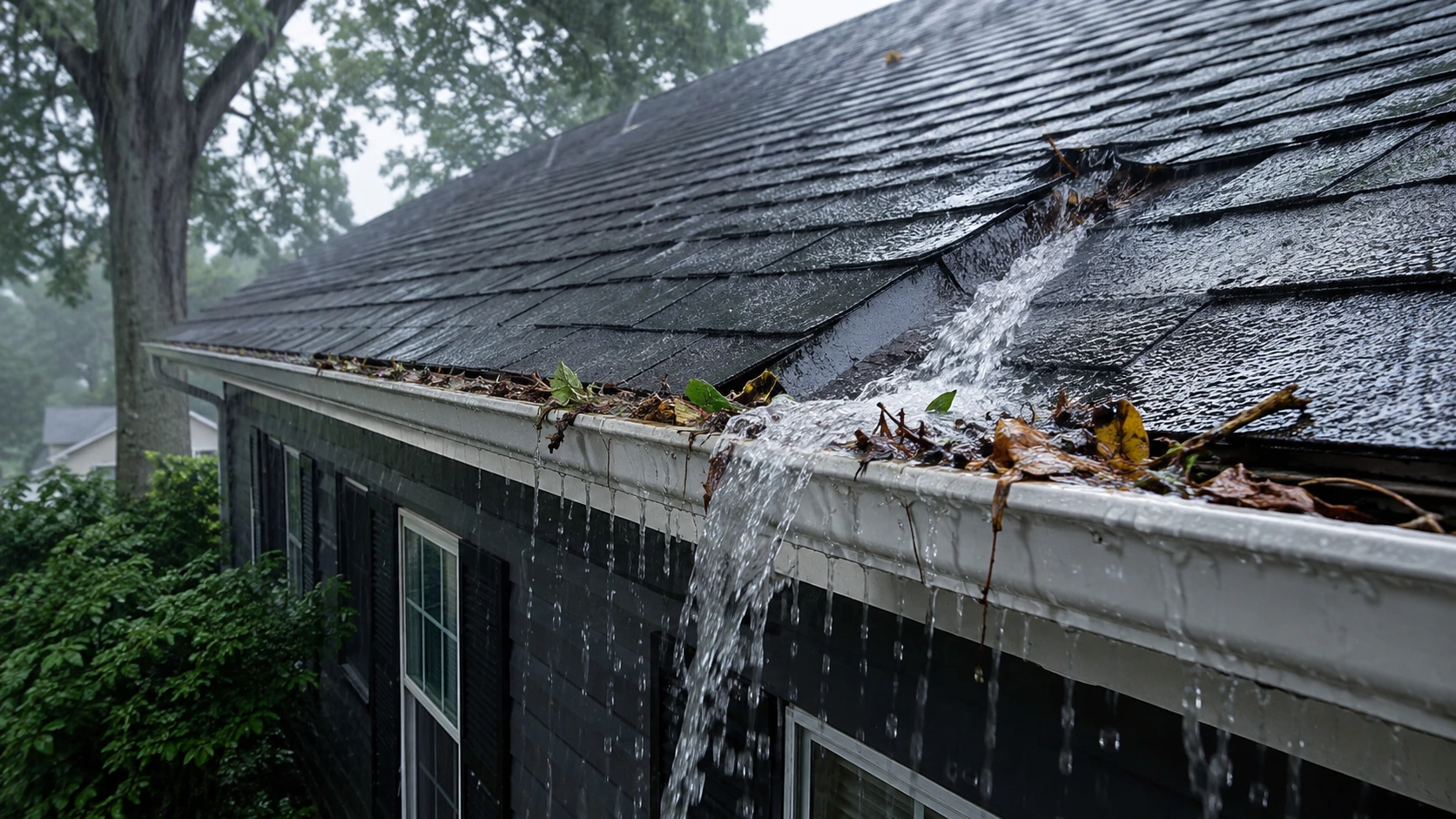
A roof valley collects water from two adjoining roof planes and delivers it toward a relatively small section of gutter. During intense Triangle rain, that concentrated flow can arrive faster than runoff from the surrounding roof edge. The nearby gutter, outlet and downspout must be planned as a connected system.
That does not automatically mean every valley needs its own downspout. The best location depends on valley position, gutter pitch, outlet capacity and the available discharge route below. A valley may justify a nearby outlet, a larger gutter, a larger downspout or a combination of changes. Our 5-inch versus 6-inch gutter guide explains when additional gutter capacity may be part of the solution.
Why Gutter Outlet Placement Matters
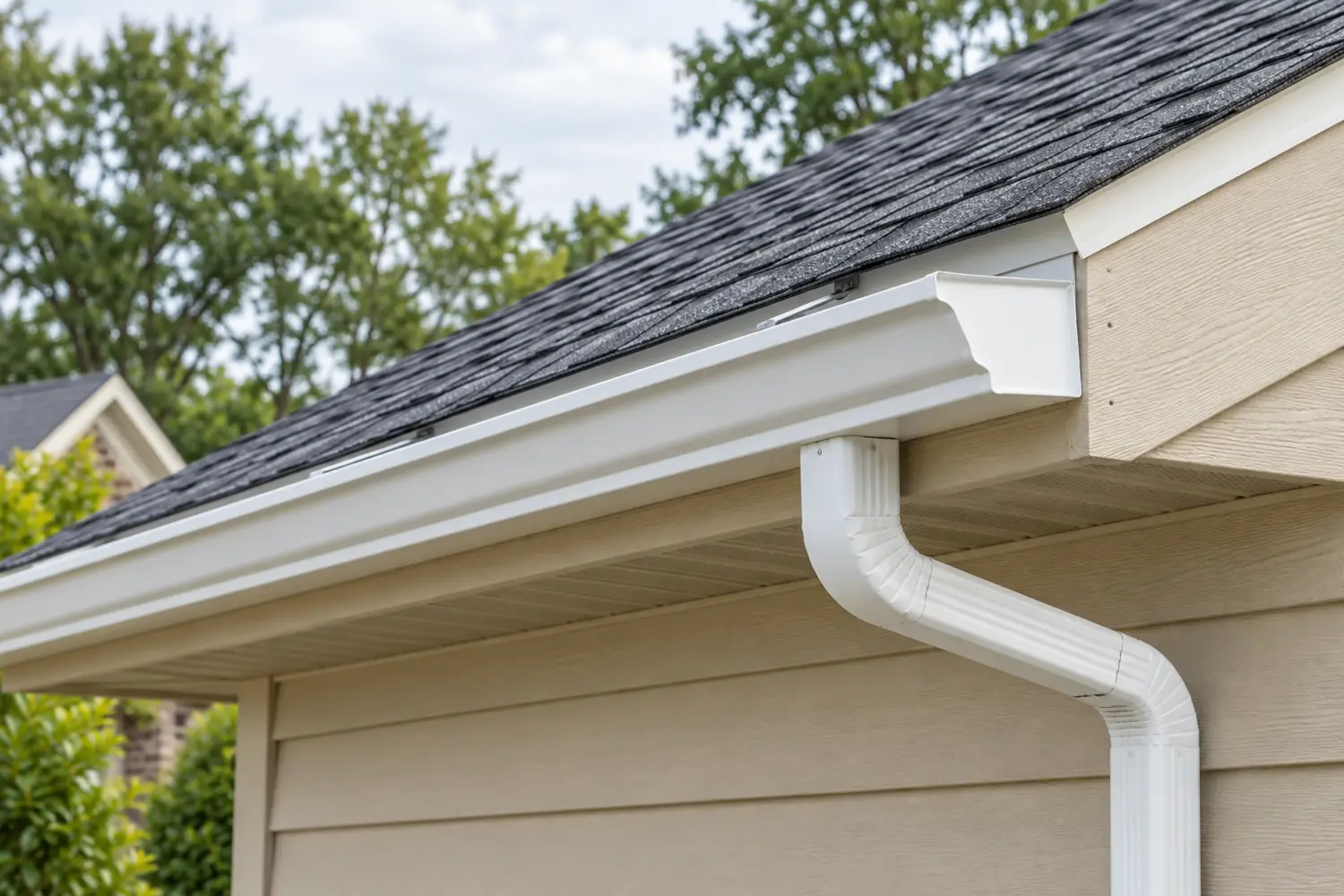
Gutter outlet placement determines where water can leave the trough. An outlet should be located where the gutter can be pitched toward it and where the downspout can follow a clean, secure route down the wall. Corners, windows, porches, utility equipment, walkways and landscaping can limit otherwise convenient locations.
Placement should also consider what happens after water reaches the ground. Adding an outlet above a poor discharge area may simply move overflow from the roof edge to the foundation. Good planning balances roof-level performance with a practical path at grade.
2×3 Versus 3×4 Downspouts
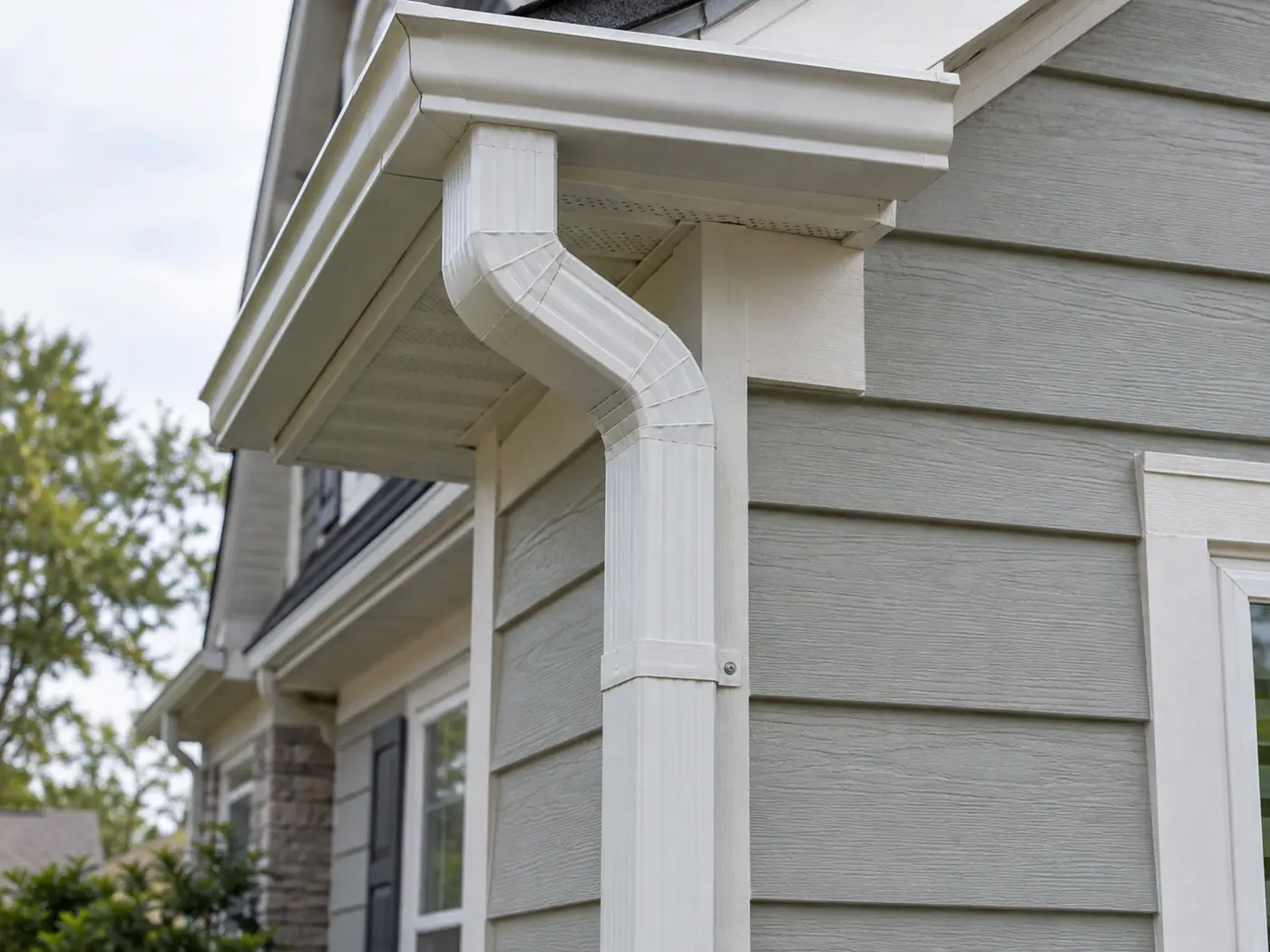
Residential K-style gutters commonly connect to rectangular downspouts. A 3×4 downspout has a larger cross-section than a 2×3 and provides a more generous path for water and small debris. CYM Contractors uses 3×4 downspouts when appropriate for the gutter size, roof runoff and project conditions. They are especially useful when a roof has demanding drainage areas or when the new system is being designed with larger outlets.
Size alone is not a cure. The outlet must match, elbows must be connected correctly, and the vertical run must discharge appropriately. A larger downspout attached to a poorly pitched or damaged gutter will not restore the whole system. During downspout installation Durham NC homeowners should expect the installer to evaluate those connected parts.
Signs a Home May Have Too Few Downspouts
Several ground-level observations can suggest that outlet capacity or quantity deserves review:
- Overflow repeatedly occurs on a long run even after the gutter and outlets are clear.
- Water consistently spills near a roof valley or another concentrated runoff point.
- A gutter drains slowly during rain while its only downspout is flowing at full volume.
- Standing water remains far from the existing outlet after rain stops.
- One downspout receives water from several connected roof sections and cannot keep up.
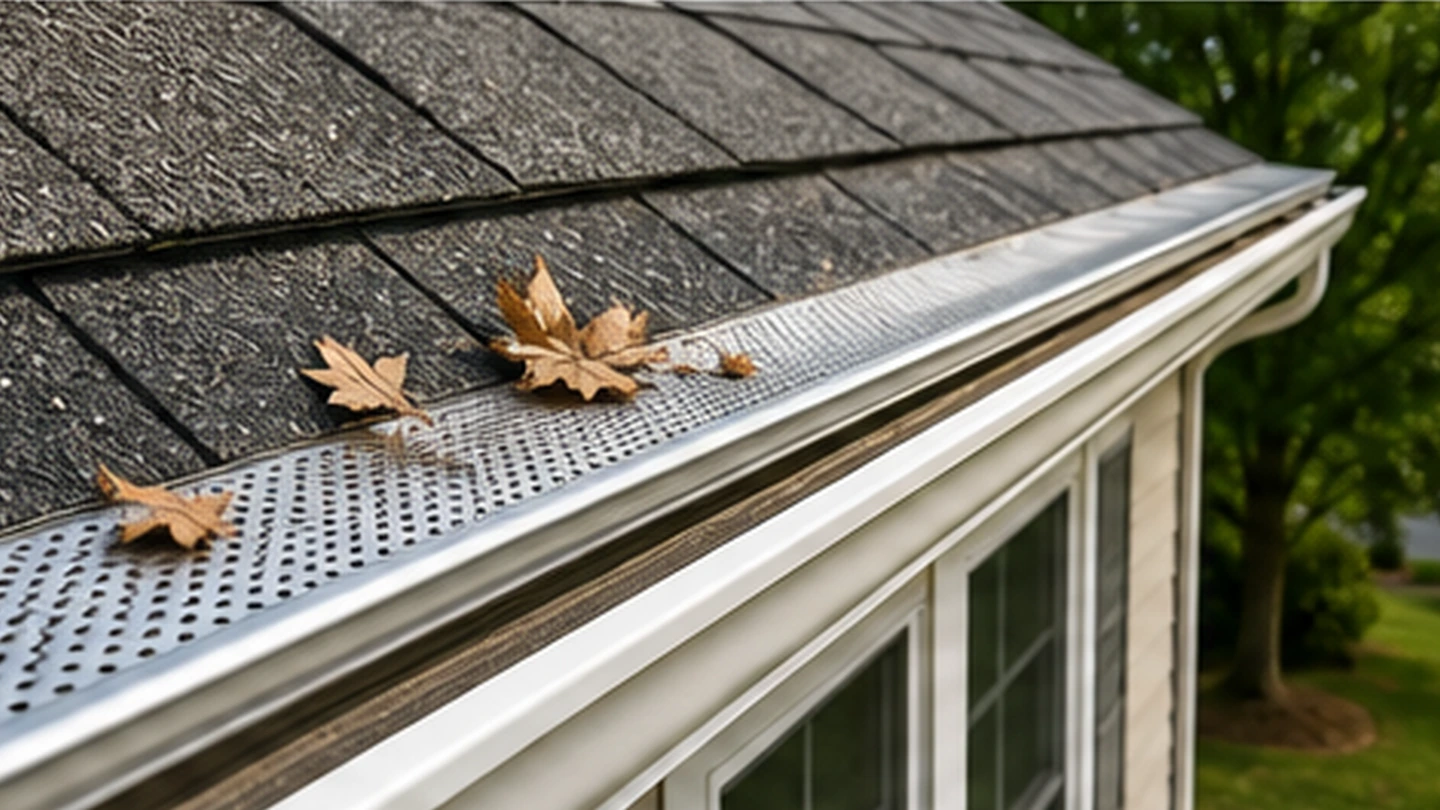
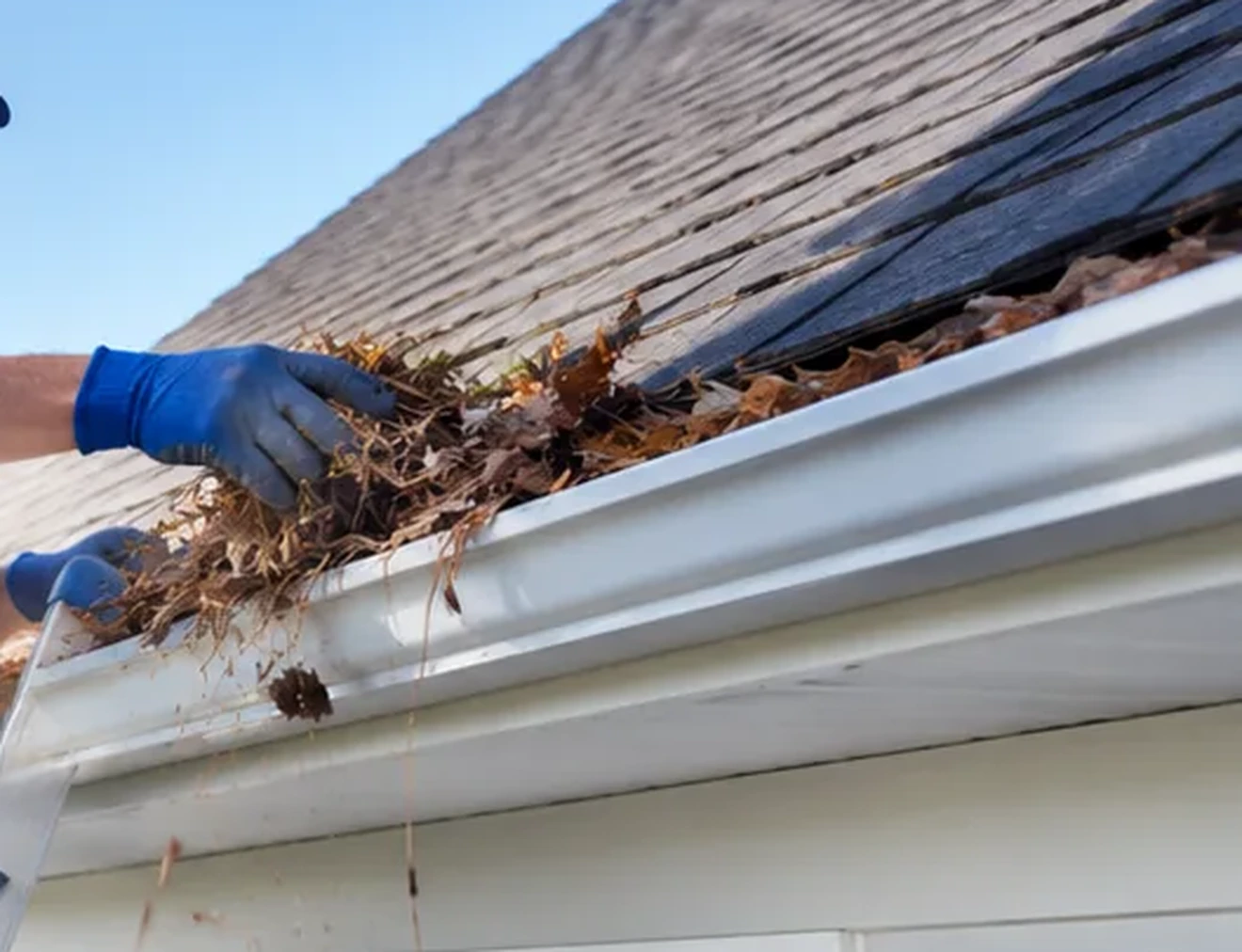
These are clues, not a diagnosis. Debris can create similar symptoms, so routine gutter cleaning and outlet clearing may need to happen before sizing conclusions are made. Homeowners should observe from the ground and avoid roof or ladder work, especially during wet conditions.
When Adding a Downspout May Solve the Problem
Another downspout can help when the gutter is structurally sound, correctly sized and capable of being pitched toward an additional outlet, but the existing outlet path is carrying too much of the run. It may also help a long run by dividing the water between two discharge points or by serving a roof valley more directly.
The new location needs a usable route down the wall and a safe place to release water. Cutting in an outlet without planning the pitch and ground-level discharge can create a second problem. For localized failures, a professional gutter repair evaluation can determine whether an additional outlet belongs in the repair scope.
When the Real Problem Is Pitch, Blockage, Damage or Capacity
Adding a downspout will not correct every overflow condition. If the gutter slopes away from the outlet, water may remain trapped in a low area. If leaves or roof grit block the opening, water cannot reach the downspout. Loose hangers, crushed elbows, separated joints and deformed gutter sections can also interrupt flow.
Damage at the roof edge matters as well. A secure gutter needs a sound attachment surface, and a soft or deteriorated board may require fascia and soffit repair before the gutter can be reset. When the gutter itself is too small for the roof area or concentrated runoff, another outlet may reduce symptoms without addressing the underlying capacity issue. The repair-versus-replacement guide explains how overall condition affects that decision.
Ground-Level Discharge and Foundation Protection
Effective gutter drainage continues beyond the bottom elbow. Water should not be directed toward a foundation, trapped beside a walkway or released where it will erode soil and landscaping. An appropriate surface or underground drainage route may be needed depending on grade and site conditions.
NC State Extension's gutter management guidance emphasizes carrying roof water away from the foundation and keeping gutters, outlets and downspouts maintained. The appropriate discharge approach still depends on the property, and buried drainage or grading concerns may require a qualified drainage professional.
What CYM Evaluates During an Onsite Estimate
During an onsite estimate, CYM Contractors reviews the roof planes feeding each run, gutter length and condition, roof slope, valleys, outlet locations, downspout size, visible fascia condition and possible discharge routes. We also look for blockages, low spots, loose attachment and damage that could imitate a capacity problem.
For a new system, CYM measures and fabricates seamless gutters Durham NC homeowners need onsite, allowing each straight run to fit the actual roof edge. Outlet locations and 3×4 downspouts can then be planned as part of the complete installation rather than added as an afterthought. The estimate provides a practical recommendation; this article is not a substitute for an engineering-grade drainage calculation.
Frequently Asked Questions About How Many Downspouts a Durham House Needs
How many downspouts does an average Durham home need?
There is no reliable average that fits every house. The answer depends on how the roof is divided into drainage areas, the length and capacity of each gutter run, valley locations, downspout size and where the water can discharge safely. An onsite evaluation is the best way to plan the quantity for a particular home.
Can adding another downspout stop gutter overflow?
It can help when an otherwise sound gutter run is carrying more water than its existing outlet and downspout can move. It will not correct a blocked outlet, poor pitch, loose gutter, damaged fascia or an undersized gutter system.
Are 3×4 downspouts better than 2×3 downspouts?
A 3×4 downspout provides a larger drainage path and is often useful on systems with larger gutters, long runs or concentrated roof runoff. The larger size still needs a correctly sized outlet, sound gutter pitch and an appropriate discharge route.
Can one long gutter run have downspouts at both ends?
Yes, when the gutter is pitched and laid out for two outlets and both ends have suitable discharge locations. That arrangement is one option, but the roof geometry and available grade determine whether it is practical.
How can I tell whether the problem is the downspout or the gutter itself?
Overflow close to an outlet, weak discharge or water backing up from one end can point to an outlet or downspout restriction. Standing water along a run, sagging, leaks or overflow far from an outlet may indicate pitch, attachment, damage or capacity problems. A ground-level observation during rain can be helpful; avoid climbing onto a wet roof or ladder.
Request a Free Downspout and Gutter Estimate
If your gutters overflow, drain slowly or appear to rely on too few outlets, CYM Contractors can evaluate the complete system at your Durham or Triangle-area home. We will explain whether another downspout, a repair or a redesigned seamless gutter system is the practical next step.
Get a recommendation based on your actual roof.
Request a free onsite estimate or call (919) 308-0106 to discuss your gutter drainage concerns.